
Loneliness Is a Health Issue (And It’s More Common Than We Think)
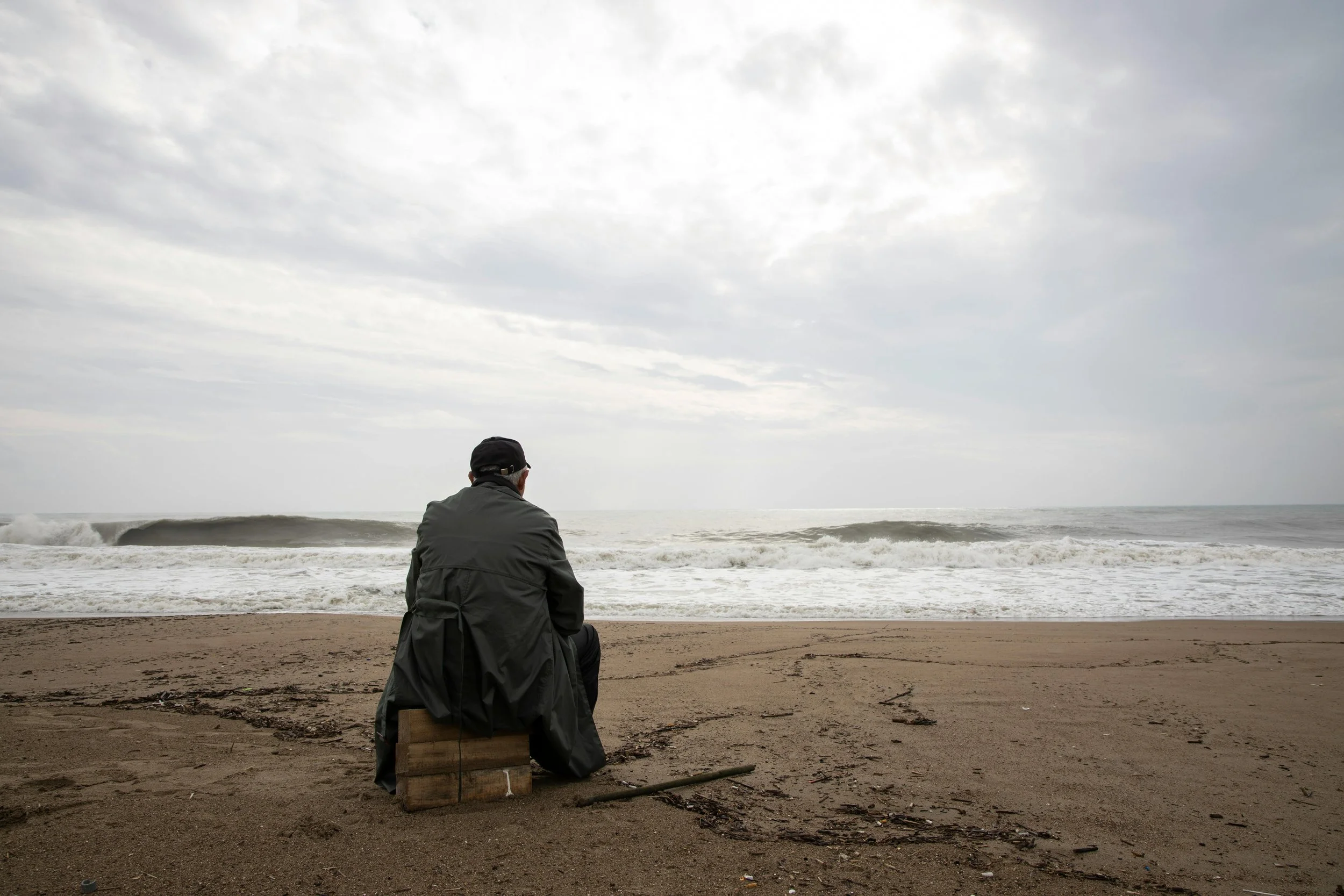
Loneliness doesn’t always look like being alone.
It can show up even when you’re busy, surrounded by people, checking all the boxes of a “full” life. Many people—especially during midlife and the menopause transition—find themselves feeling disconnected in ways that are hard to name. And while loneliness is often brushed off as an emotional inconvenience, the reality is that it has very real effects on physical health.
In fact, research increasingly shows that chronic loneliness is not just a quality-of-life issue—it’s a health risk.
What the Research Is Telling Us
Loneliness and social isolation have been associated with increased risk for several serious health conditions. Studies suggest that people who experience ongoing loneliness may have higher rates of:
Cardiovascular disease, including higher blood pressure, increased inflammation, and greater risk of heart attack and stroke
Cognitive decline and dementia, with social isolation linked to faster cognitive aging
Cancer-related outcomes, including worse prognosis and higher mortality in some populations
Loneliness is also associated with higher levels of chronic stress, disrupted sleep, impaired immune function, and increased inflammation—all of which play a role in long-term disease risk.
In other words, humans are not meant to do life alone. Our nervous systems, hormones, and immune systems are deeply influenced by connection.
Why Loneliness Can Feel Louder During Menopause
For many women, perimenopause and menopause coincide with major life shifts—children leaving home, changing relationships, caregiving responsibilities, career transitions, or health challenges. Hormonal changes can also affect mood, sleep, anxiety, and confidence, which may make it harder to reach out or feel like yourself socially.
Add in a culture that often minimizes menopause or expects women to “push through,” and it’s easy to see how isolation can quietly take hold.
If this resonates, please know: nothing is wrong with you. This is a very human response to a season of change.
The Healing Power of Community
The good news? Connection is powerful medicine.
Being part of a supportive community has been shown to improve cardiovascular health, lower stress hormones, support immune function, and even protect cognitive health over time. Community doesn’t have to mean large social gatherings or constant interaction—it can be as simple as feeling seen, heard, and understood.
Community reminds us that:
We’re not imagining our symptoms
We’re not failing our bodies
We’re not alone in this transition
And that sense of belonging can be profoundly regulating for the nervous system.
Ways to Gently Reconnect
If loneliness has been part of your experience, re-engaging doesn’t have to be overwhelming. Small, intentional steps can make a meaningful difference. Some places to explore connection might include:
Health or wellness classes (yoga, movement, meditation, breathwork)
Educational workshops or discussion groups
Walking groups or book clubs
Volunteer opportunities aligned with your values
Faith-based or spiritual communities
Menopause-focused support groups where shared experience matters
The goal isn’t to “fix” loneliness—it’s to create spaces where authentic connection can grow naturally.
Creating Community at Balanced Body Medicine
One of the things I’m most excited about as Balanced Body Medicine moves into its new office space is the opportunity to create in-person connection. This space is being designed not just for appointments, but for learning, conversation, and community.
In the coming months, we’ll be offering menopause workshops and classes that bring women together to learn about their bodies, ask real questions, and connect with others navigating similar experiences. These gatherings are meant to be supportive, educational, and grounded in compassion—not perfection or pressure.
Whether you come for the information, the conversation, or simply to be in a room with people who get it, you are welcome.
A Gentle Reminder
Loneliness is not a personal failure—it’s a signal. A signal that connection matters, that your health is more than labs and diagnoses, and that healing often happens in relationship with others.
If you’ve been feeling disconnected, consider this an invitation. To reach out. To show up. To let yourself be supported.
Community is not a luxury. It’s part of how we heal.
